
Children Need Terrain
What happens when children are given enough safety to feel held, and enough space to become.
There is something that happens when children are given terrain.
Not entertainment.
Not constant instruction.
Not an experience so tightly managed there is no room left for discovery.
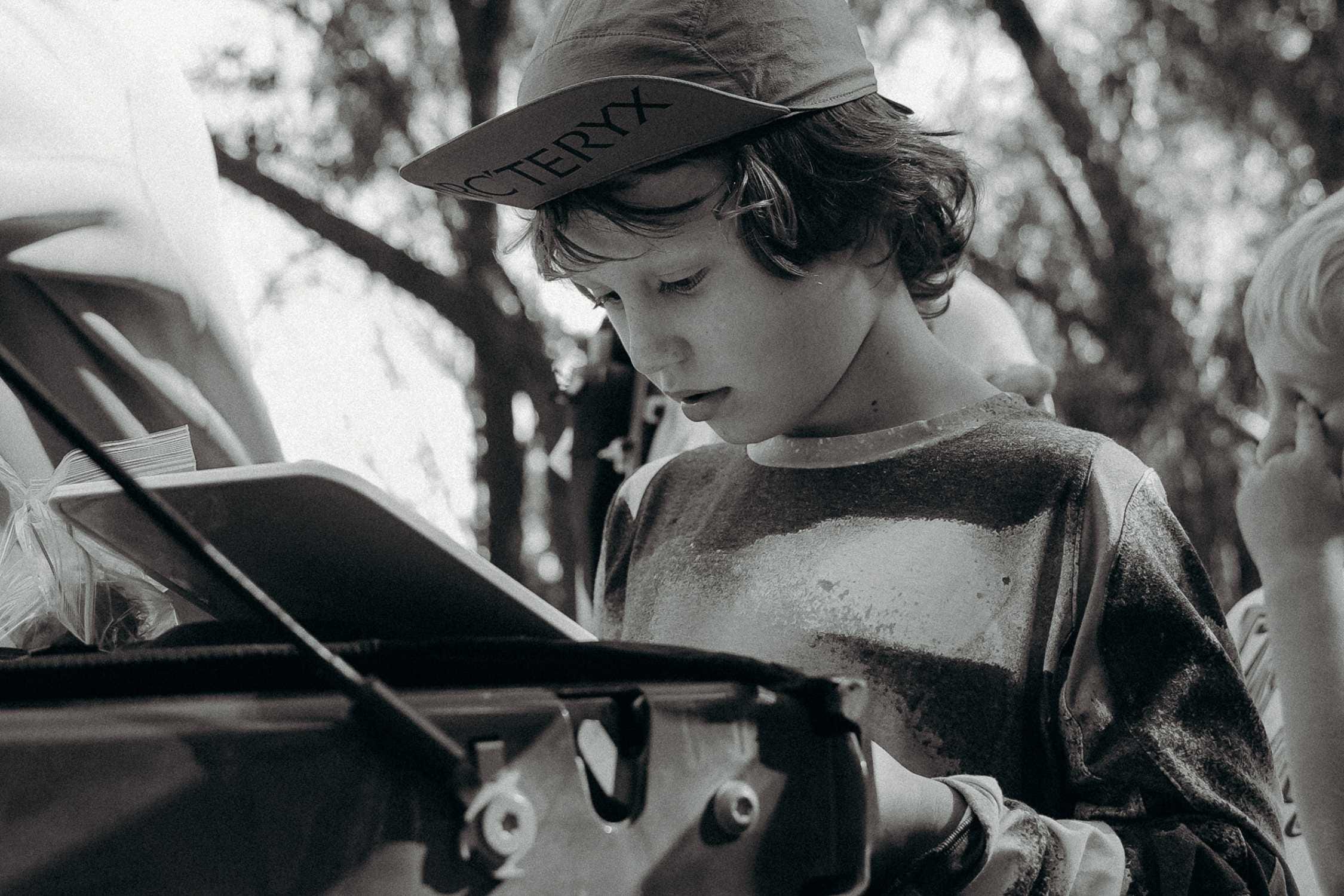
Terrain.
Uneven ground.
Changing light.
A climb.
A descent.
Other children.
A few trusted adults close enough to keep them safe, but far enough back to let them find their own rhythm.
A container with soft edges.
Enough structure to feel held.
Enough freedom to become.
On a recent family hike day I facilitated with Arc’teryx, my son said something that stayed with me:
“I like that you can explore lots of nature and that you can just be free.”
That word, free, landed.
Because so much of childhood now is monitored, measured, rushed or contained.
Even when we are doing our best, many children spend their days moving from one adult-led environment to another.
School. Screens. Activities. Car rides. Homework. Structured sport. Indoor time.
And beneath it all, a quiet pressure to perform, fit in, be impressive, be good.
It gives children agency.
It gives them something real to respond to.
On the trail, children decide where to place their feet. They adjust to gradient, texture, fatigue and excitement. They work out what feels safe, what feels uncertain, when to slow down, when to follow, when to lead, when to ask for help, and when to try again.
They are learning risk in real time.
Not as a warning.
As a relationship.
A relationship with their body.
A relationship with the ground beneath them.
A relationship with the people around them.
A relationship with their own capacity.
And often, they do not need the path to be made perfectly easy.
They need the chance to discover that they are capable.
Protecting Versus Over-Managing
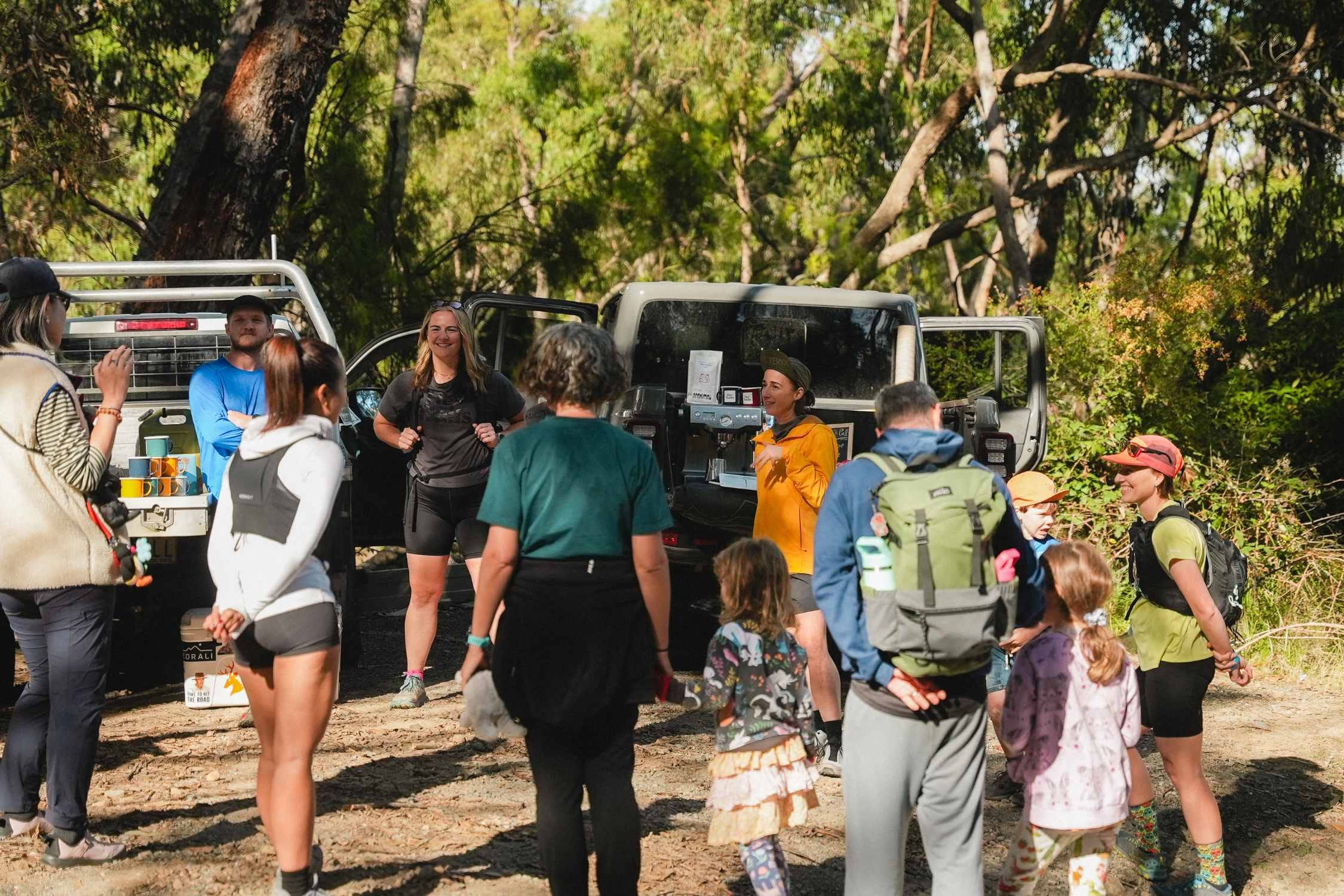
There is a difference between protecting children and over-managing their becoming.
I know the instinct to step in. To smooth the way. To remove the obstacle before it becomes frustration or discomfort.
But children do not become capable because every obstacle is removed.
They become capable when the obstacle is appropriate, the container is safe, and the adults around them trust the process enough not to overtake it.
This is not about throwing children into difficulty and calling it resilience. It is not about pretending they do not need care, protection or support.
They do.
Deeply.
But they also need opportunities to meet something that asks something of them.
Something textured.
Something changing.
Something just uncertain enough to require attention.
They need places where they can practise courage before courage becomes a word adults ask them to understand.
I have become increasingly interested in parent-child experiences that are intentional, but not over-controlled.
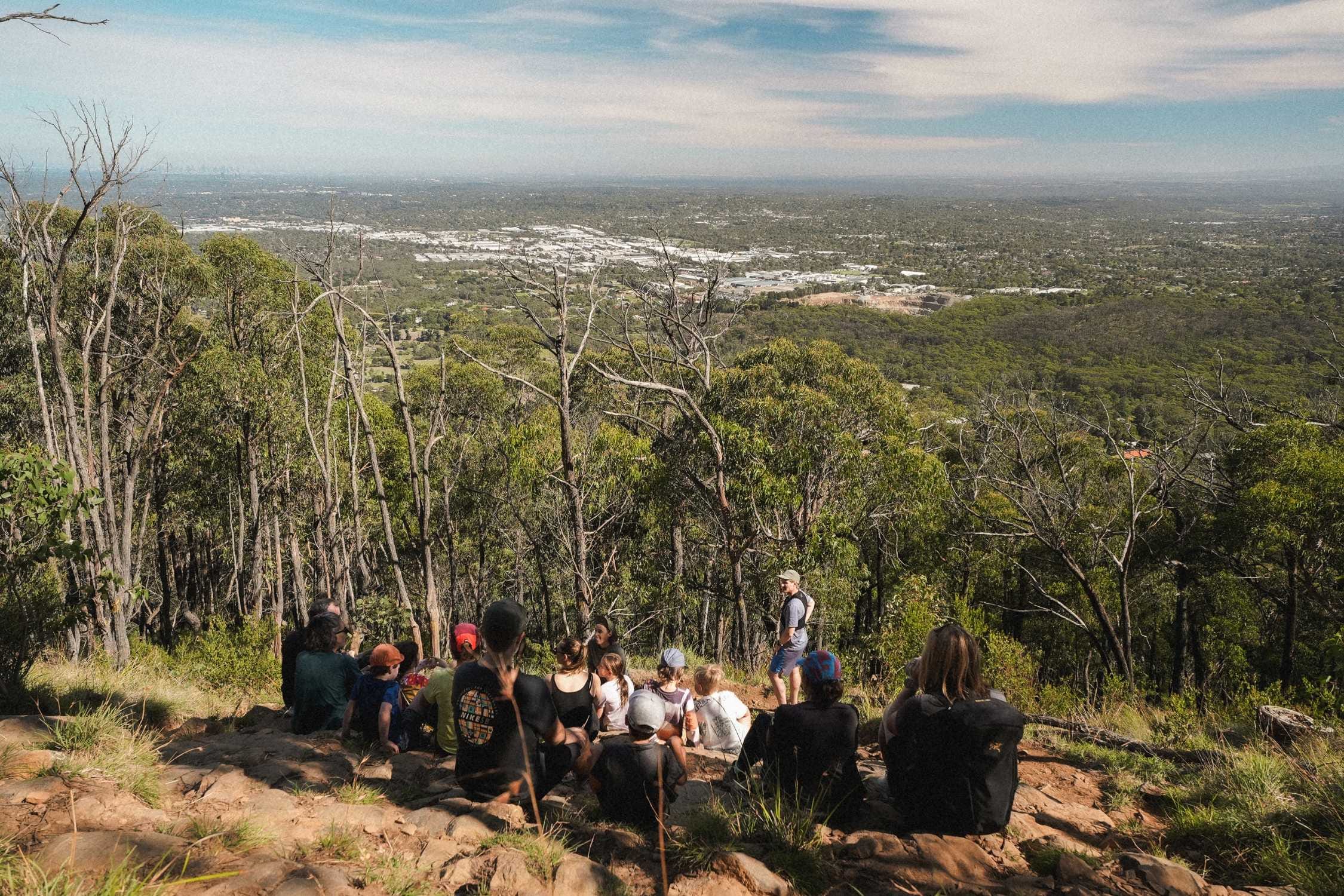
A container does not need a script. It needs anchor points.
A place to meet.
A shared purpose.
A trail.
A meal.
A rhythm to the day.
A safety framework.
A few trusted adults holding the edges.
Inside that, there has to be room.
Room for children to move differently.
Room for friendships to form in unexpected ways.
Room for confidence to arrive through doing, not being told.
Room for the experience to evolve into what it is meant to become.
Because children often find the meaning somewhere we did not plan for.
In the rock they had to climb down.
In the friend they made without being introduced.
In the snack after the effort.
In the moment they realised they were less scared than they thought.
In the adult who stayed close, but did not rush in.
In the feeling of being trusted.
Where Children Come Alive
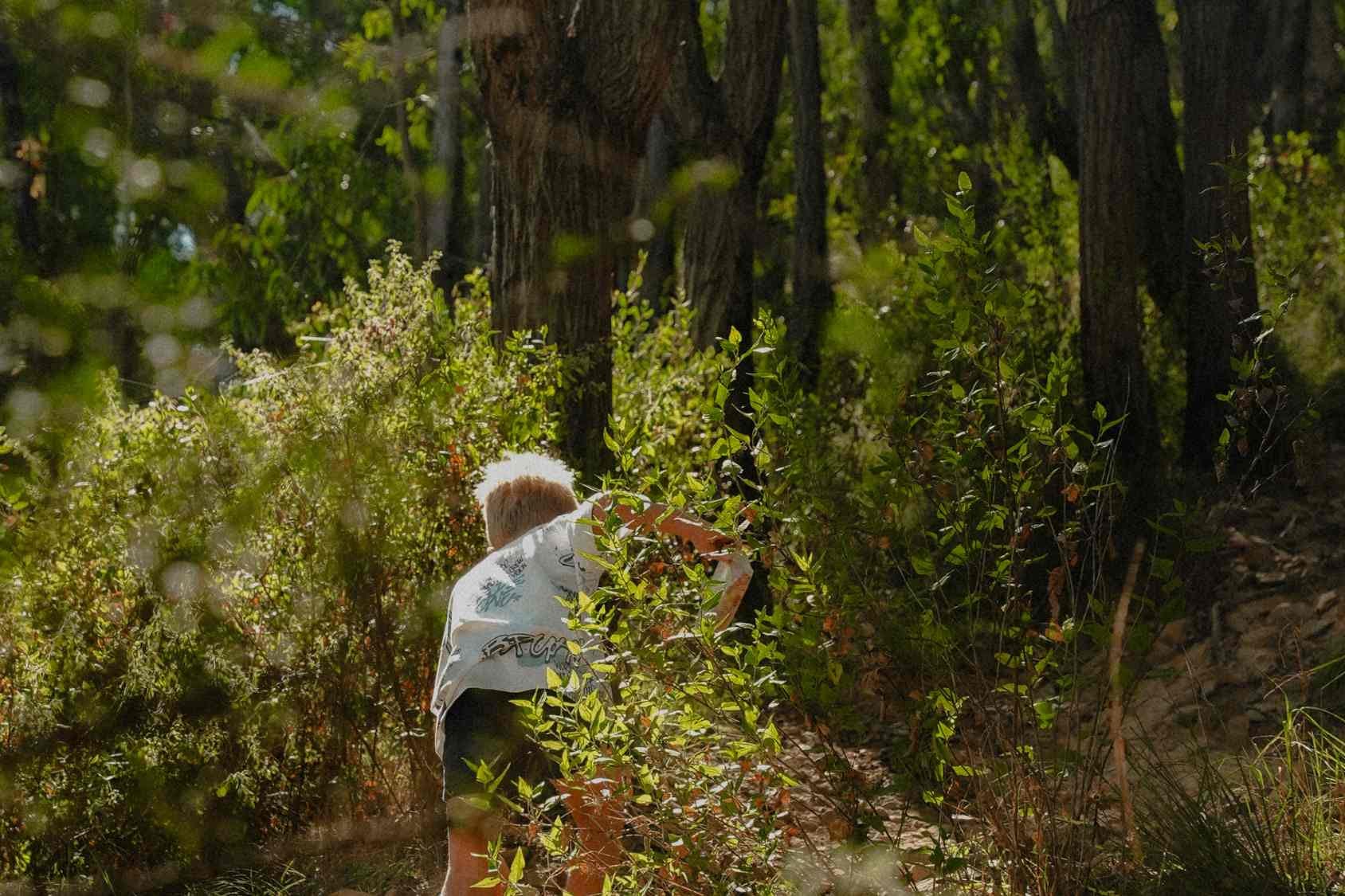
I have seen this in other ways too.
In the Northern Territory, I travelled with mums and children aged 6 to 15 — time on Country, tents, no devices. In Derby, on a Her Trails trip, five days of bikes, shared meals, unfamiliar terrain and children who mostly did not know each other.
One of the most beautiful things to witness was that leadership did not follow age.
Sometimes the younger child noticed something first.
Sometimes the quieter child became the steady one.
Sometimes the child with more outdoor experience helped someone older.
Sometimes care moved around the group, depending on what the moment required.
Outdoors, the rules become more honest. The terrain asks different things from different people.
One child might be physically bold but socially unsure.
Another might be cautious on the descent but deeply attuned to the group.
One might move quickly but miss the details.
Another might move slowly and notice everything.
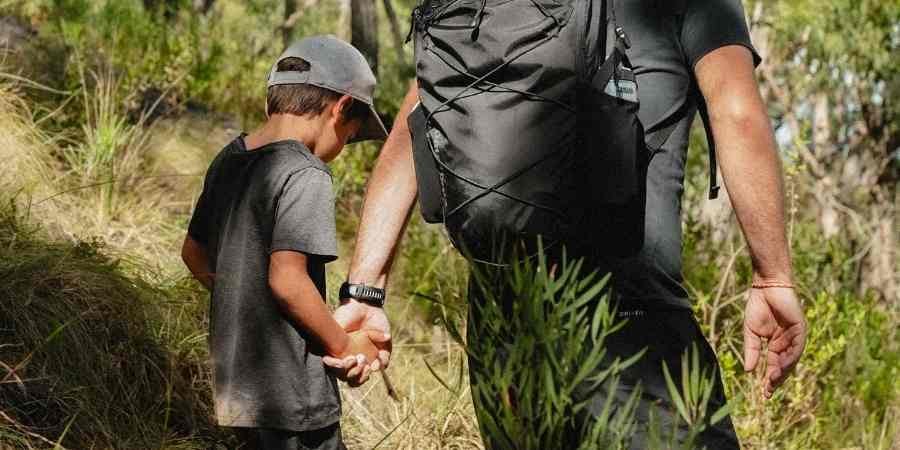
This is where children begin to understand something far more useful than being “good” at an activity.
They learn that capability is not one thing.
It can look like courage.
It can look like care.
It can look like patience.
It can look like humour.
It can look like noticing.
It can look like trying again after a moment of doubt.
They become participants.
And that was what I saw again on the hike.
One parent said:
“This is good. This is our people. It’s so nice to see kids playful, making relationships and connections with other kids they’ve never met before and also adults too.”
That line captured the day for me.
Because outdoor experiences can create a kind of belonging that does not need to be over-explained — it softens the distance between strangers.
They can connect side by side: through movement, shared effort, the same rock, the same obstacle, the same laugh.
Not every child wants to sit in a circle and talk about how they feel.
Not every child knows how to enter a group through words.
But give them a shared task, a trail, a descent, a moment of collective effort, and connection often finds another doorway.
The children said:
“I liked when we climbed down the best.”
“My favourite was going down the mountain.”
Simple words. Big insight.
Children often remember the part where they had to participate.
“You can never underestimate anyone, irrespective of their age.”
Children watch, absorb and adapt far more than we realise — in nature, we get to see it clearly.
We see their courage.
Their humour.
Their curiosity.
Their capacity to connect.
Their willingness to try.
Their ability to recover after discomfort.
Their instinct to care for one another when the conditions invite it.
Sustainable High Performance Begins Early
My work sits at the intersection of endurance, leadership and sustainable high performance. Endurance has long shaped how I understand capacity, resilience and adaptation, but my understanding of sustainability has become more nuanced through the interconnected roles of my life: as a mother, athlete, presenter, founder of Her Trails and woman moving through different seasons.
Increasingly, the pursuit itself has become the project: how we expand our capacity, meet complexity and continue to grow without losing connection to ourselves.
It is the question I sit with as I’m packing snacks for a school day or arriving at an ultramarathon start line.
Because sustainable high performance is not about doing more.
It is about meeting challenge without abandoning yourself.
Knowing when to push.
When to pause.
When to ask for help.
When to trust your footing.
When to keep moving, even when the path is not clear.
These lessons are not reserved for adults in leadership programs, athletes in training blocks or people at the edge of big life decisions.
They begin much earlier.
When a child climbs down a slope and realises they can.
When a child feels nervous and keeps going.
When a group becomes a little community because the environment asked them to participate together.
The outdoors is a teacher.
A connector.
A place where confidence is built through lived experience.
The Partners Who Help Hold the Experience
The right partners do not sit outside an experience like this.
They help hold it.
They shape the conditions around it.
They make the gathering possible.
They bring their own values into the container.
They help turn an idea into something families can actually feel.
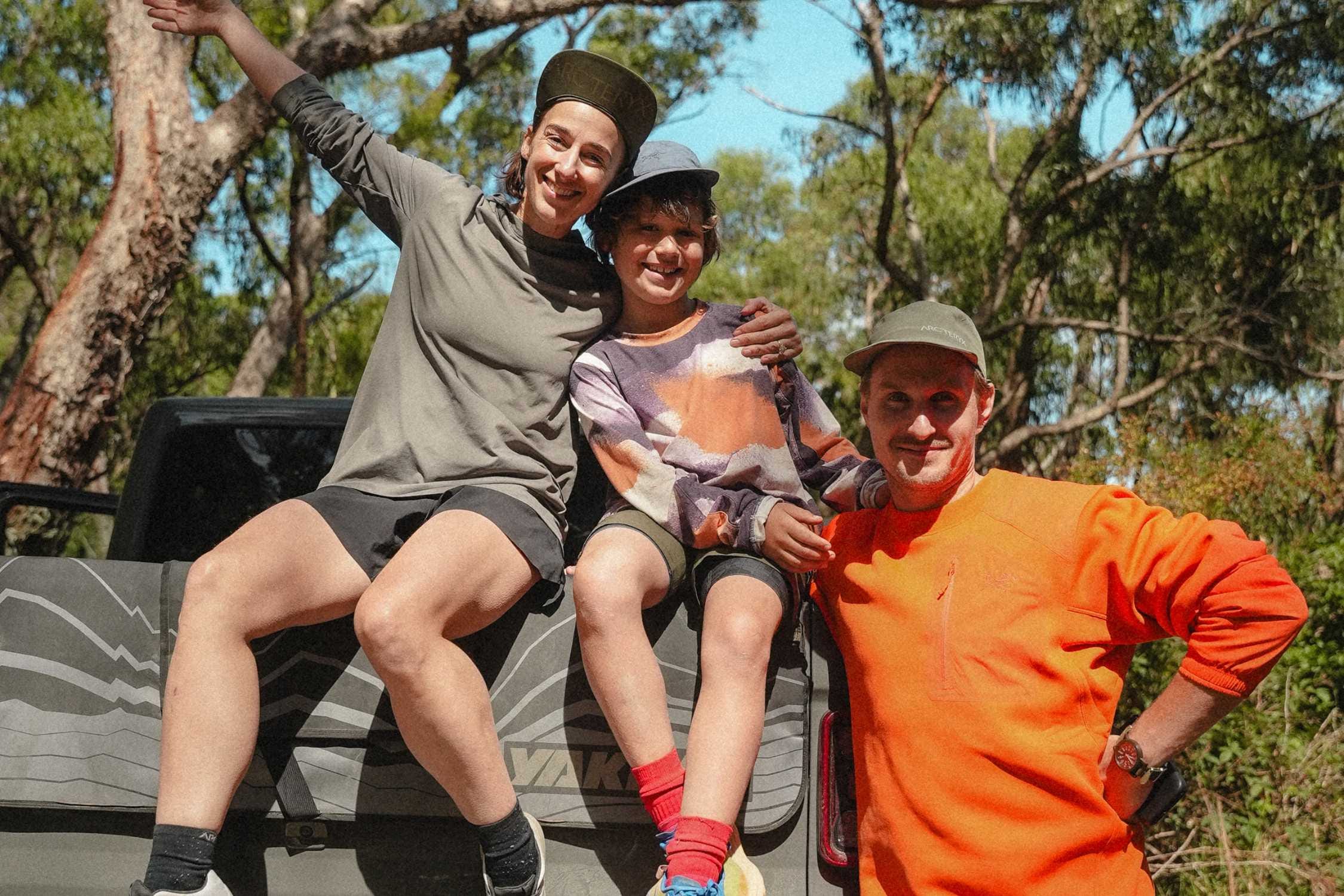
This family hike day was held in partnership with Arc’teryx, Rokeby and Jeep.
Arc’teryx led this initiative alongside me. They created the invitation to gather outdoors with intention. Not as a performance. Not as a polished adventure moment, but as a chance for families to meet terrain, and each other, with care.
Rokeby supported our post-hike base camp. When we think about recovery after high output, we often think of athletes.
But children experience high output too. They climb, run, balance, scramble, play hard, regulate, deregulate, recover and go again.
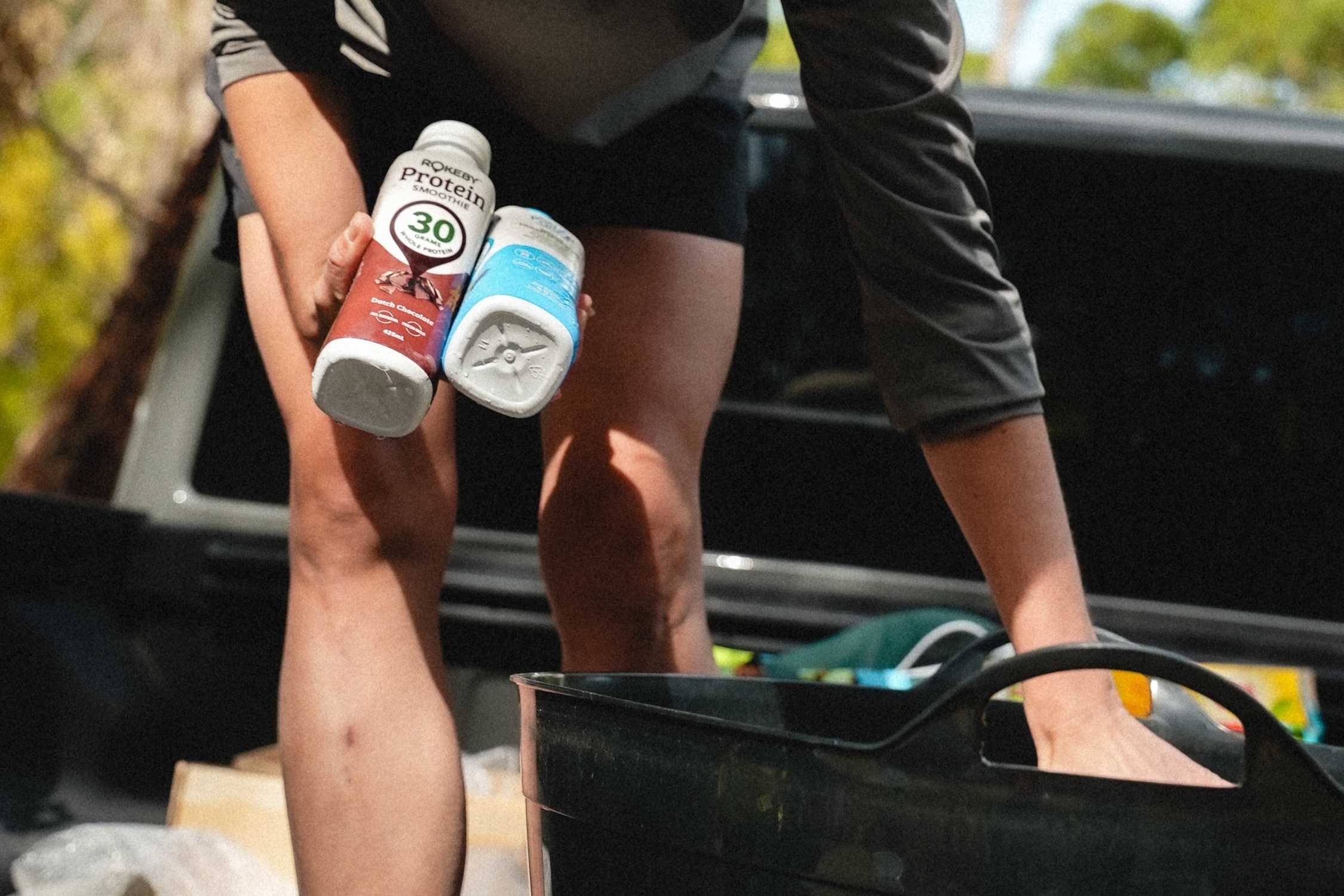
Their effort is still physical, emotional and social. After that kind of effort, nourishment matters — as a simple lesson in body respect: movement, food, recovery and joy belong together.
Jeep played a practical role in holding the edges of the day too. Our Jeep Gladiator became the base camp on wheels: gear, food, layers, tired children, post-hike snacks and the small logistics that make family adventure possible.
Experiences like this do not happen by accident. They are created through care, collaboration and partners who understand the outdoors is not simply a backdrop.
An Invitation to Begin
By the end of the hike, what stayed with me was not one dramatic moment.
It was the collection of small ones.
Kids climbing down.
Parents watching them with pride.
New friendships forming.
Adults exhaling a little.
Smoothies in hand.
Dust on shoes.
A weekend beginning with movement, connection and fresh air.
“It’s been such a beautiful way to kick off the weekend.”
And this is the invitation.
Not to make it perfect or epic. Not to wait until the weather, the gear and the logistics all line up.
Just to begin.
To create more opportunities for children to feel free in nature, to move through challenge without rushing to remove every obstacle, and to trust that the outdoors offers lessons we cannot manufacture indoors.
Because sometimes the mountain teaches. Sometimes the descent is the favourite part. Sometimes confidence arrives quietly, through the feet.
And sometimes, the best thing we can do for our children is give them enough safety to feel held, enough challenge to stay awake to themselves, and enough space to discover who they are becoming.